
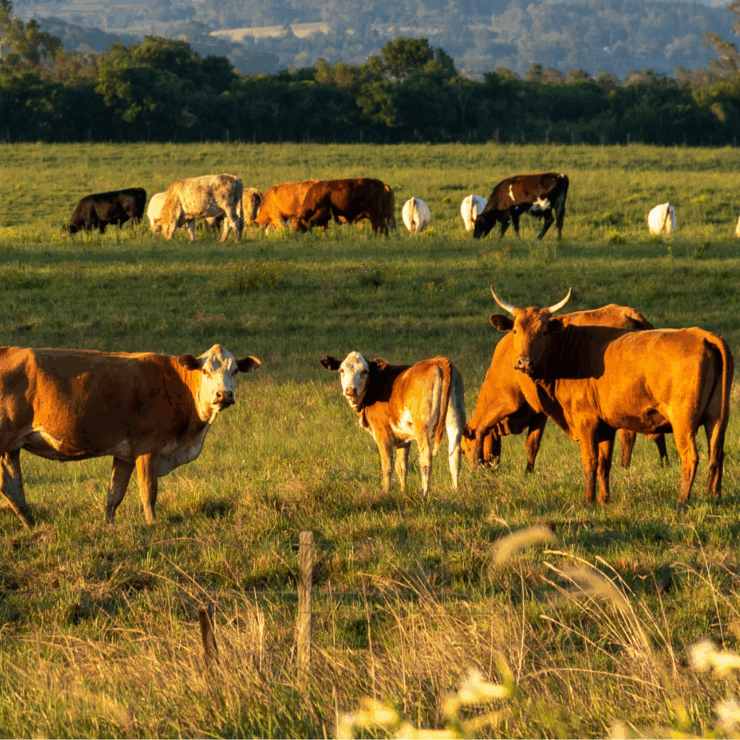
 The sight of lush, green pastures emerging from the winter brown is one of the most welcome signs of spring in Georgia. It signals the end of the long hay-feeding season and the beginning of fresh grazing. For your livestock, this change is a much-anticipated treat. However, the transition from a dry hay diet to rich, green grass is a delicate process that requires careful management to avoid serious health issues.
A sudden switch can overwhelm an animal’s digestive system, leading to problems like colic, founder (laminitis), or bloat. The key to a safe and successful changeover is patience and a gradual approach. These practical tips will guide you on how to transition livestock to pasture, ensuring your animals stay healthy and your grazing season gets off to a great start.
Why a Slow Transition is Non-Negotiable
For months, your animals’ digestive systems have adapted to breaking down the coarse, dry fiber of hay. The microbial populations in their gut are specifically geared for this task. Fresh spring grass, on the other hand, is very different. It is high in moisture, sugar, and protein, but lower in fiber than hay.
When livestock gorge on this new, rich forage, their digestive system is thrown into chaos. The rapid fermentation of sugars can cause a build-up of gas, leading to bloat in ruminants like cattle, sheep, and goats. In horses, it can trigger laminitis, a painful and potentially crippling inflammation of the tissues inside the hoof. A slow, managed transition gives the gut microbes time to adjust, preventing these dangerous health crises.
When it comes to caring for your livestock, Cherokee Feed & Seed offers complimentary nutritional consultations specifically tailored for your livestock needs. Body condition scoring, cost analysis, feeding trials, hay testing, and more are included in the consultation. Sign up for a free consultation.
Step 1: Prepare Your Pastures Before You Graze
Your pasture management in the early spring sets the stage for a successful transition. Before you even think about opening a gate, you need to ensure the grass is ready for your animals.
Wait for Sufficient Growth
One of the biggest mistakes is turning animals out too early. Grazing on short, immature grass can damage the plant’s root system, hindering its ability to regrow and reducing the overall productivity of your pasture. It also forces animals to ingest more soil and parasites as they graze close to the ground. As a rule of thumb, wait until your grass has reached a height of at least 6 to 8 inches before you begin grazing. This ensures the plants are well-established and can withstand grazing pressure.
Walk Your Fences
Use this waiting period to inspect your entire fence line. Winter storms can bring down trees, break posts, or snap wires. Walking the perimeter allows you to identify and repair any weak spots before your livestock find them. This simple chore is a critical safety measure that prevents animals from getting out onto roads or neighboring properties.
Step 2: Implement a Gradual Introduction Schedule
Once your pasture is ready, the transition itself can begin. The core principle is to introduce fresh grass slowly, increasing the duration of grazing over a period of one to two weeks.
The “Hour a Day” Rule
A safe and effective method is to start by allowing your animals to graze for just one hour on the first day. Each subsequent day, you can increase the grazing time by an additional hour. For example:
- Day 1: 1 hour of grazing
- Day 2: 2 hours of grazing
- Day 3: 3 hours of grazing
- And so on, until they have transitioned to full-time pasture.
This schedule gives their digestive systems the time needed to adapt to the new forage without being overwhelmed.
Provide Hay Before Turnout
During this transition period, it is crucial to continue providing hay. Before turning your livestock out to graze for their allotted time, give them a feeding of their normal hay. This ensures they are not ravenously hungry when they get to the fresh grass. A full belly makes them less likely to gorge themselves, which is a key part of preventing digestive upset. Continue to make hay available even as they spend more time on pasture, allowing them to self-regulate their fiber intake.
Step 3: Monitor Animal Health Closely
Throughout the transition, pay close attention to your animals’ health and behavior. Their manure is one of the best indicators of how their digestive system is handling the change. It is normal for their manure to become looser and greener as they consume more fresh grass. However, if you notice signs of severe diarrhea, you should slow down the transition and reduce their grazing time.
Be vigilant for signs of distress. In horses, watch for signs of colic (pawing, rolling, looking at their flank) or laminitis (reluctance to move, shifting weight, heat in the hooves). In cattle and other ruminants, be alert for signs of bloat, which include a swollen, distended abdomen (especially on the left side), signs of discomfort, and difficulty breathing. If you notice any of these symptoms, remove the animal from the pasture immediately and contact your veterinarian.
Step 4: Don’t Forget Water and Minerals
Even with high-moisture grass, your livestock still need constant access to fresh, clean water. Hydration is essential for proper digestion and overall health. Check your troughs daily to ensure they are full and clean.
Fresh spring pasture may also be lacking in certain essential minerals. Providing a free-choice mineral salt block specifically formulated for your type of livestock ensures they can supplement their diet with what they need. This is especially important for balancing the high potassium levels often found in lush spring grass.
Your Partner for a Healthy Grazing Season
Successfully transitioning your livestock from hay to pasture sets a positive tone for the entire grazing season. By taking a patient, gradual, and observant approach, you protect your animals from preventable health issues and ensure your pastures remain productive.
For all your farming needs this spring, from high-quality hay for a smooth transition to premium pasture seeds and essential livestock supplies, trust Cherokee and North Fulton Feed and Seed. We understand the unique challenges of farming in Georgia and are dedicated to providing the products and expertise you need to succeed. Visit one of our convenient locations to stock up and let our team help you prepare for a safe and productive grazing season.