
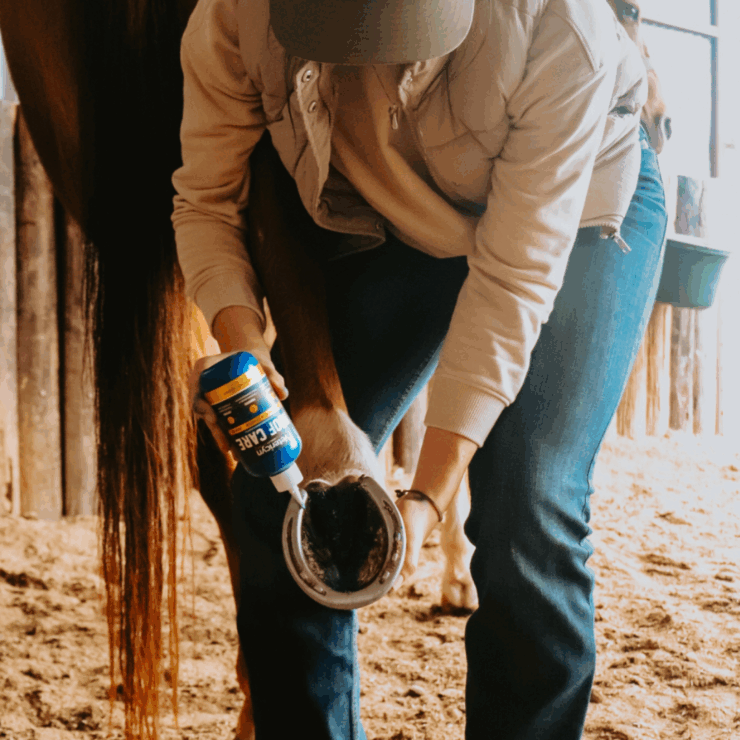
 Mud and Hoof Health: A Farm Guide! Late winter in Georgia often means one thing: mud. The constant cycle of rain and thaw creates soggy pastures and pens, presenting significant challenges for your animals’ hoof and foot health. Managing this moisture is key to preventing painful and costly problems for your cattle, horses, goats, and even poultry.
Challenges for Hooved Animals
For horses, cattle, and goats, standing in mud softens the hoof wall, making it prone to abscesses, thrush, and foot rot. Constant moisture compromises the natural barrier of the hoof, allowing bacteria to invade sensitive tissues. This can lead to lameness, reduced weight gain, and decreased milk production. Good drainage is your first line of defense. Where possible, add gravel or sand to high-traffic areas like gates and water troughs to create a drier standing surface.
Protecting Your Poultry
Don’t forget your flock! Chickens and turkeys also suffer in wet conditions. Muddy runs can lead to bumblefoot, a nasty infection on the bottom of their feet. It also creates an unsanitary environment, increasing the risk of respiratory issues and parasite infestations. Ensure their coop stays dry with plenty of clean, absorbent bedding like pine shavings.
Provide a dry, clean space for all animals to stand and rest. Regular hoof cleaning and inspection are essential this time of year. Stop by North Fulton’ Feed & Seed for bedding, hoof care products, and advice on keeping your animals healthy through the mud season.