
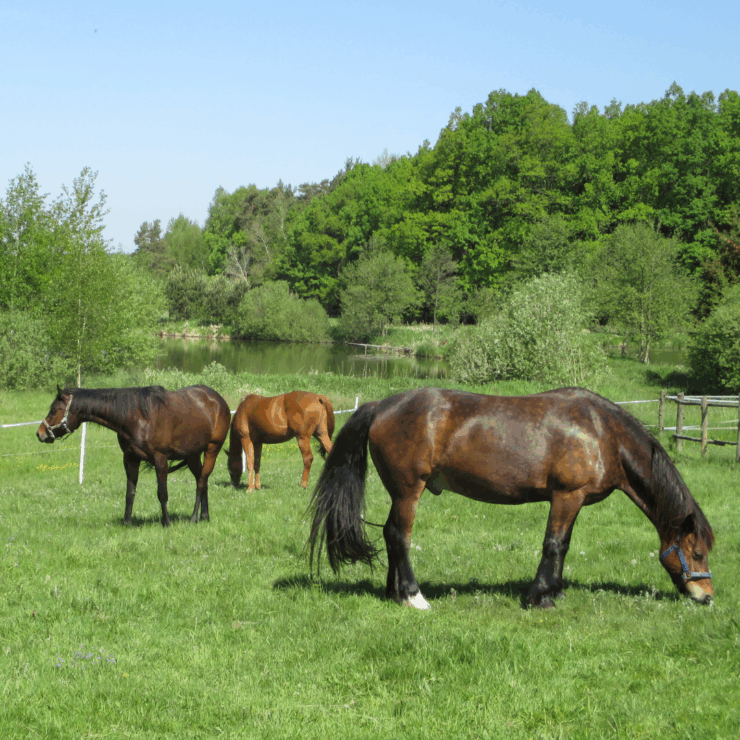
 As the strong Georgia sun ushers in the summer, our cool-season pastures begin to fade. The familiar Fescue that served your livestock so well in the spring goes dormant, leaving a potential gap in your grazing plan. This “summer slump” is a common challenge for livestock owners in our region. To maintain healthy animals and productive pastures, you must rely on warm-season forage crops that are built to thrive in our intense heat and humidity.
Choosing the right forage crops is essential for navigating the summer months successfully. Planting species that can withstand heat, resist drought, and provide quality nutrition is the key to keeping your livestock well-fed without constantly depending on hay. This guide explores the best forage crops for summer grazing in Georgia, helping you select the right mix to keep your pastures green and your animals thriving all season long. Check out our wide selection of seeds!
Why Warm-Season Forages are Essential
Cool-season grasses like Fescue and Orchardgrass are the workhorses of spring and fall. However, once soil temperatures consistently rise above 75 degrees, their growth slows dramatically. They become less palatable and their nutritional value drops. This is where warm-season forages step in.
These crops are specifically adapted to flourish during the hottest part of the year, typically from May through September. They are more water-efficient and produce high yields of quality forage when other grasses struggle. By incorporating these summer grazing forage options into your pasture system, you create a seamless, year-round grazing calendar that reduces your reliance on supplemental feed and keeps your land productive.
1. Bermuda Grass: The King of Southern Pastures
When you think of a classic Southern pasture, you are likely picturing Bermuda grass. This warm-season perennial is arguably the most important and widely planted forage in Georgia, celebrated for its exceptional productivity and resilience.
Benefits of Bermuda Grass
- High Yield: Bermuda grass is a top performer, producing large quantities of high-quality forage perfect for grazing or cutting for hay.
- Heat and Drought Tolerance: It thrives in the summer heat and can withstand periods of drought better than many other grasses, making it a reliable choice for our unpredictable summers.
- Durability: It forms a dense, deep-rooted sod that holds up extremely well to heavy grazing pressure and animal traffic. This makes it ideal for high-traffic areas and intensive grazing systems.
- Nutritional Value: When managed properly, Bermuda grass provides excellent nutrition with good protein and energy levels, supporting weight gain and lactation in cattle, horses, and goats.
You can establish improved varieties from either seeds or sprigs in the spring, once the soil is consistently warm. Proper fertilization and weed control are key to maximizing its potential.
2. Bahia Grass: The Low-Maintenance Alternative
For those seeking a tough, low-input forage, Bahia grass is an outstanding choice. Originally from South America, this warm-season perennial is known for its ability to grow in sandy, infertile soils where other grasses might fail. It is a popular choice for general-purpose pastures across the state.
Benefits of Bahia Grass
- Low Fertility Requirement: Bahia grass can produce reasonable yields with minimal fertilizer, making it a cost-effective option for large acreage or lower-intensity operations.
- Drought Resistance: It has an extensive root system that allows it to survive extended dry periods, often staying greener longer than other grasses during a drought.
- Pest and Disease Resistance: It is naturally resistant to many common pests and diseases, further reducing management costs and labor.
- Good Ground Cover: It forms a thick, dense sod that is very effective for erosion control and can tolerate close, continuous grazing.
While its nutritional quality is slightly lower than that of well-managed Bermuda grass, it provides dependable forage that is more than adequate for maintaining mature animals.
3. Pearl Millet and Sorghum-Sudan Grass: The Annual Powerhouses
Sometimes you need a fast solution to fill a forage gap. This is where warm-season annuals like Pearl Millet and Sorghum-Sudan grass shine. These crops grow incredibly fast, producing a massive amount of high-quality forage in a single season.
Benefits of Annual Grasses
- Rapid Growth: These grasses can be ready for grazing in as little as 45 to 60 days after planting, making them perfect for emergency forage or for supplementing perennial pastures.
- Exceptional Yield: In a short window, they can produce several tons of forage per acre, which can be grazed, chopped for silage, or cut for hay.
- Drought Tolerance: Pearl Millet, in particular, is very drought-tolerant and performs well in sandy soils. It is also a safe option for horses, as it does not carry the risk of prussic acid poisoning associated with the sorghum family.
- Pasture Renovation: You can use these annuals as a “smother crop” to control weeds and prepare a field for establishing new perennial grasses in the fall.
It is important to manage grazing on these tall-growing grasses to keep them from becoming too mature and losing palatability. Rotational grazing is highly effective for these crops.
4. Legumes: The Natural Fertilizer
Integrating legumes like cowpeas or alyceclover into your warm-season pastures can provide a significant boost to both your soil and your livestock. Legumes have the unique ability to “fix” nitrogen from the atmosphere, reducing your need for commercial nitrogen fertilizers.
Benefits of Forage Legumes
- Improved Soil Health: By adding nitrogen to the soil, legumes naturally fertilize the grasses growing alongside them, creating a healthier and more productive pasture ecosystem.
- Enhanced Nutrition: Legumes are typically higher in protein and minerals than grasses. A mixed pasture offers a more balanced diet, which can improve animal weight gain, milk production, and overall health.
- Increased Palatability: Livestock often prefer a mixed diet. The presence of legumes can encourage animals to eat more, leading to better performance.
Cowpeas are a fast-growing annual legume that can be mixed with annual grasses, while alyceclover is a resilient option that pairs well with Bermuda grass or Bahia grass.
Don’t Let Pests Ruin Your Grazing
A healthy summer pasture is also a prime habitat for flies and other biting pests. These pests cause constant stress to your animals, which can negate the benefits of your high-quality forage. An integrated pest management plan, including effective fly control products, is essential to protect your livestock.
Your Partner for Productive Summer Pastures
Choosing the best forage crops for summer grazing sets your farm up for success during Georgia’s most challenging season. By selecting grasses and legumes that thrive in the heat, you can ensure your livestock have access to nutritious forage while keeping your pastures healthy and resilient.
At Cherokee and North Fulton Feed and Seed, we have everything you need for a productive summer. We stock a wide variety of high-quality forage seeds, from Bermuda grass and Bahia grass to Pearl Millet and legumes. We also carry a full line of effective fly control products to protect your animals. Our expert team is ready to help you choose the right seeds and supplies for your farm. Visit us today and let us help you beat the summer slump.