
 As the Georgia landscape awakens from its winter slumber, the ambition of a new growing season takes hold. The warming soil and longer days signal that it’s time to get to work. Choosing the right seeds is the first and most critical decision you will make, a choice that will shape the productivity of your pastures, the bounty of your garden, and the health of local wildlife. With so many options available, it can be challenging to know where to start.
This guide simplifies the process by highlighting the top 5 seeds to plant in Georgia this spring. We have selected a mix of proven performers for forage, gardening, and wildlife plots that are perfectly suited to our state’s unique climate and soil conditions. Selecting the right seeds now will set you up for a successful and rewarding season ahead.
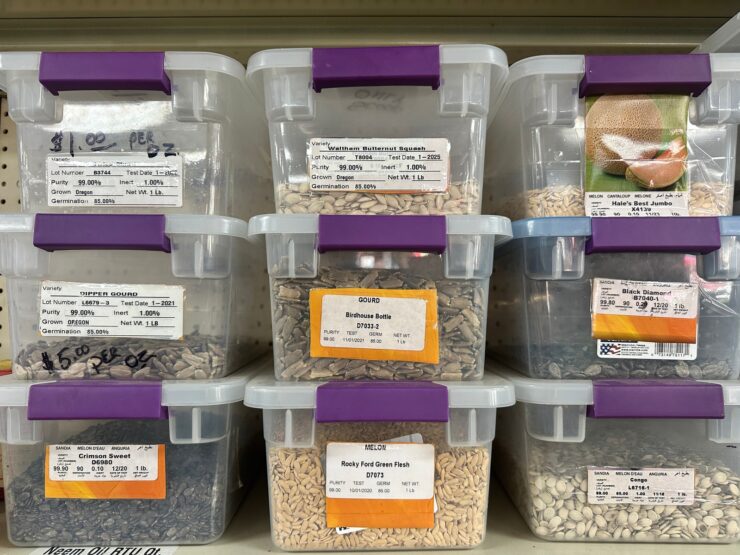
Make the trip to Cherokee Feed & Seed for a huge selection of seeds and plants. Have questions about your pastures or garden? Talk with one of our representatives to learn about the latest products to keep you in the green.
Why Seed Selection is Crucial for Success
Planting in Georgia comes with its own set of challenges, from our often-acidic clay soil to the intense summer heat and humidity. The seeds you choose must be tough enough to handle these conditions. Planting varieties that are not well-adapted to our environment can lead to poor germination, weak growth, and a disappointing harvest.
By selecting from the best seeds for spring planting, you give yourself a significant advantage. These varieties are chosen for their resilience, productivity, and ability to thrive in the specific conditions of a Georgia spring and summer. This ensures you get the most out of your time, effort, and investment.
1. Fescue: The Foundation of Cool-Season Pastures
For livestock owners across North Georgia, Fescue is a household name, and for good reason. It is a hardworking, cool-season perennial grass that forms the backbone of many successful grazing operations.
Why Plant Fescue?
Fescue is exceptionally durable and well-adapted to Georgia’s clay soils. It provides excellent, high-quality forage during the spring and fall when many other grasses are either dormant or just getting started. Its deep root system makes it relatively drought-tolerant and able to withstand heavy grazing pressure, making it a reliable choice for cattle, horses, and sheep. Planting Fescue in the spring allows it to establish a strong root system before the summer heat arrives.
2. Bermuda Grass: The King of Summer Forage
As temperatures rise, Bermuda grass takes over where cool-season grasses leave off. It is a warm-season perennial that thrives in the heat and sunlight of a Georgia summer, making it an essential component for year-round grazing and hay production.
Why Plant Bermuda Grass?
Productivity is the main benefit of Bermuda grass. It produces a high yield of nutrient-rich forage that is perfect for grazing or cutting for hay. Once established, it is extremely hardy, drought-resistant, and spreads aggressively to create a dense, durable turf that can handle heavy animal traffic. Planting Bermuda grass in late spring ensures the soil is warm enough for rapid germination and growth, leading to lush, productive pastures throughout the hottest months of the year.
3. Brown Top Millet: The Fast-Growing Favorite
Brown Top Millet is an incredibly versatile warm-season annual that serves multiple purposes on a Georgia farm. It is one of the fastest-growing seeds you can plant, making it an ideal choice for quick forage, wildlife food plots, or as a cover crop.
Why Plant Brown Top Millet?
Speed and versatility are the key advantages of Brown Top Millet. It can go from seed to maturity in as little as 60 days, providing a rapid source of food. For livestock, it offers excellent grazing or a quick hay crop. For wildlife, it is a favorite of dove, quail, and turkey, making it a top choice for food plots. It also works well as a nurse crop to help establish perennial grasses or as a cover crop to suppress weeds and improve soil health.
4. Sunflowers: The Pollinator and Wildlife Magnet
While often thought of as a garden flower, sunflowers are a fantastic and functional choice for planting in Georgia. They are incredibly easy to grow and offer multiple benefits for your farm and local ecosystem.
Why Plant Sunflowers?
Sunflowers are a powerhouse for attracting pollinators. Their large, bright flowers bring in bees and other beneficial insects, which can help improve the pollination of nearby vegetable gardens and fruit trees. As the flowers fade and the seeds mature, they become a high-energy food source for a wide variety of birds, including doves, finches, and cardinals. Planting a patch of sunflowers is a simple way to support local wildlife and add beauty to your property.
5. Corn: The Classic Garden and Feed Staple
No Georgia spring planting list would be complete without corn. Whether you are growing sweet corn for your dinner table or field corn for livestock feed and wildlife, it is a classic crop that is deeply woven into our agricultural identity.
Why Plant Corn?
Corn is a highly productive crop that makes the most of our long, hot summers. Modern sweet corn varieties offer incredible flavor and are a highlight of any summer garden. For those managing larger plots, field corn provides a high-energy grain that is invaluable as supplemental feed for livestock. OR, as a primary attractant in deer food plots. Planting corn in the spring after the last frost gives it the long, warm growing season it needs to produce a bountiful harvest.
Find Your Perfect Seeds at Cherokee Feed and Seed
Choosing the right Georgia spring seeds is the first step toward a successful and productive season. By selecting varieties that are well-suited to our local climate, you lay the groundwork for healthy pastures, a thriving garden, and abundant wildlife.
At Cherokee and North Fulton Feed and Seed, we offer a comprehensive selection of high-quality seeds. Our team has the local knowledge to help you choose the perfect seeds for your specific goals and conditions. So, visit us today to explore our inventory and get the expert advice you need to make this spring your best growing season yet